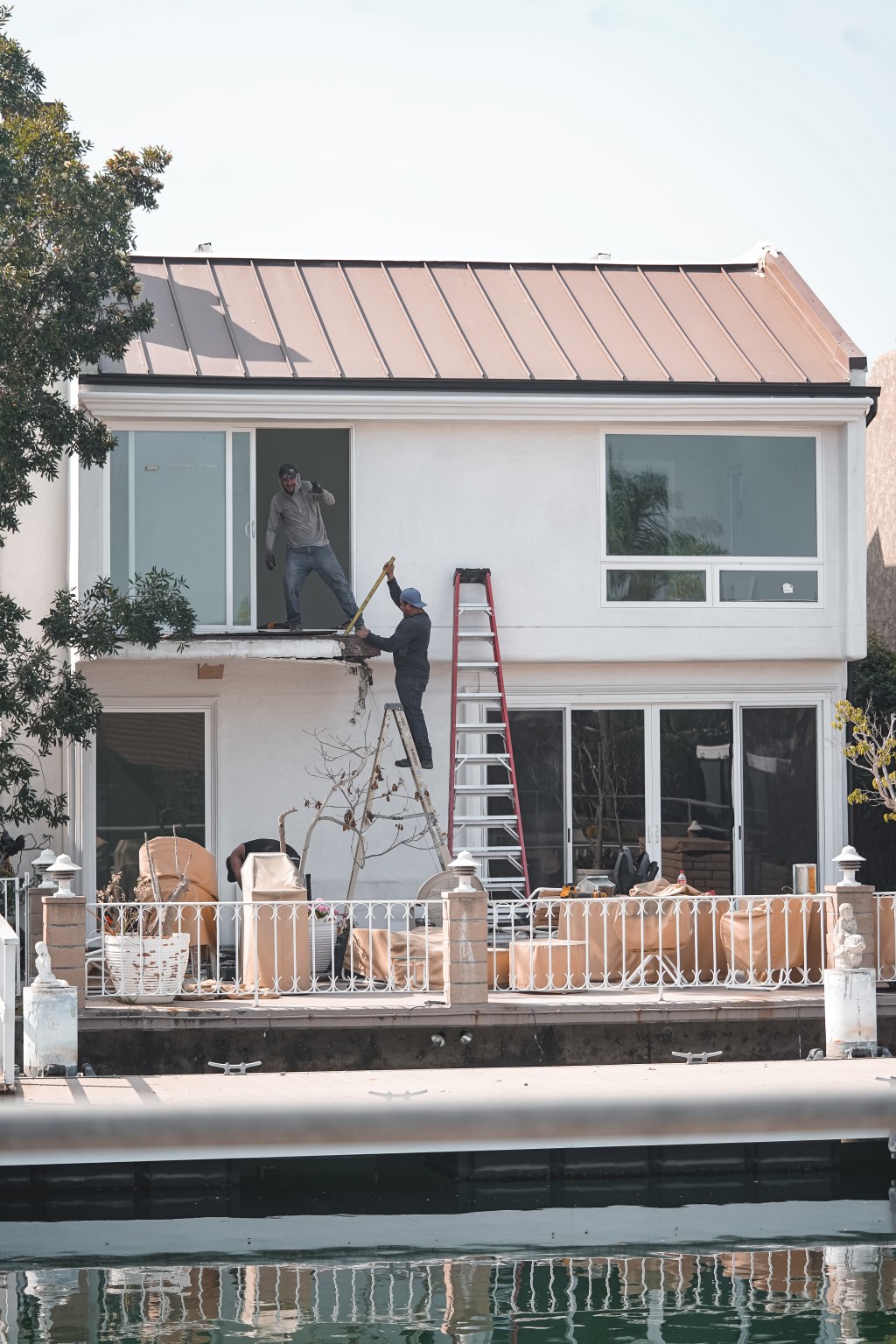
As the housing market experiences its most significant increase in new listings in nearly three years, homeowners looking to sell are finding themselves in a more competitive landscape. With the typical U.S. monthly housing payment reaching an all-time high of $2,721, and the median home-sale price up 5% year-over-year to approximately $375,000, sellers are eager to capitalize on rising prices. However, with an increased supply of homes, standing out to potential buyers becomes crucial.
Key Renovations to Consider:
- Curb Appeal Enhancements: First impressions are everything. Investing in landscaping, a fresh coat of paint for the front door, and ensuring your home’s exterior is in pristine condition can significantly impact potential buyers’ first impressions.
- Kitchen and Bathroom Updates: These areas often offer the highest return on investment. Even minor updates, such as replacing fixtures, hardware, or countertops, can make these essential spaces more appealing.
- Energy-Efficient Improvements: With rising home costs, buyers are increasingly interested in energy efficiency to save on future bills. Consider upgrading windows, insulation, and appliances to more energy-efficient models.
- Neutral Decor: While personal touches make a house a home, potential buyers want to envision themselves in the space. Painting walls in neutral tones and decluttering can help achieve this.
Given the current market dynamics, where supply is increasing and mortgage rates remain elevated near 7%, making your home stand out is more important than ever. While the market is becoming more balanced, as indicated by the highest level of supply in March since the pandemic’s onset in 2020, strategic renovations can ensure your home doesn’t just blend into the growing inventory but shines as a desirable purchase.
As the housing market shifts, with new listings seeing their biggest uptick in nearly three years, sellers must be strategic in how they approach renovations to ensure their home stands out. The balance between making impactful upgrades and managing costs has never been more crucial, especially considering the elevated mortgage rates and the rising median home-sale price. Here are key strategies for navigating renovations in the current seller’s market:
Prioritize Based on Buyer Preferences: Understand what today’s buyers are looking for in a home. Given the high interest in energy efficiency and modern, ready-to-move-in properties, focusing on these areas can be a wise decision. Simple, cost-effective updates that align with these preferences can significantly enhance your home’s appeal without necessitating a complete overhaul.
Get a Professional Evaluation: Before diving into renovations, consider consulting with a real estate agent or a home improvement professional. They can provide insights into which renovations are most likely to increase your home’s value and appeal to buyers in your specific market. This step can help you avoid overinvesting in projects with minimal return.
Set a Budget with ROI in Mind: With the record-high monthly housing payments and close to peak median sale prices, it’s essential to set a budget for your renovations that considers the potential return on investment. Investing in renovations that exceed the likely sale price increase can lead to diminishing returns. Utilize cost-versus-value reports and professional advice to allocate your budget effectively.
Timing and Marketing: In a market where homes are moving quickly, with many properties going under contract in under 10 days, timing your renovations and listing can be as critical as the upgrades themselves. Plan your renovations to ensure your property is market-ready when buyer demand is high. Additionally, highlight these improvements in your marketing efforts to attract attention and emphasize the value added through your renovations.
By strategically planning renovations with an understanding of the current housing market dynamics, sellers can not only make their homes stand out but also potentially secure a faster sale at a higher price. Remember, in a market where buyers have more options, the details and condition of your property can significantly influence their decision-making process.

 JJ Construction