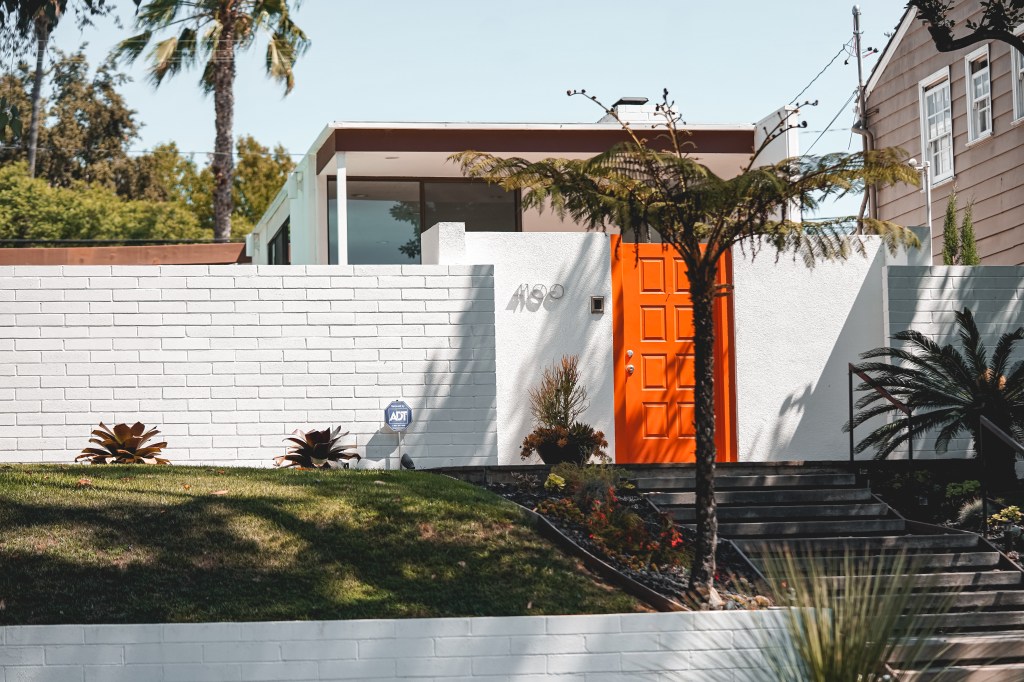
Mid-century modern design, a style that emerged in the mid-20th century, continues to influence the world of interior design with its unique blend of simplicity, functionality, and natural shapes. Characterized by clean lines, organic curves, and a seamless flow between indoor and outdoor spaces, mid-century modern design is more than just a trend—it’s a timeless approach that celebrates the intersection of form and function. This design movement, which spans from the mid-1940s to the late 1960s, has given rise to some of the most iconic furniture and buildings that continue to inspire architects and designers around the globe.
The Essence of Mid-Century Modern Design
Mid-century modernism is rooted in the idea that good design should be accessible to all. It emerged in a post-war era, promoting a lifestyle of simplicity and efficiency. The architecture of this period emphasizes open floor plans, large windows, and the integration of nature, aiming to create a seamless interaction between the indoors and the outdoors. Furniture pieces are renowned for their minimal ornamentation, functionality, and organic shapes, often made from new materials like molded plastic, aluminum, and plywood, showcasing innovation in design and manufacturing.
Celebrated Architects of the Mid-Century Modern Era
Several architects and designers have left an indelible mark on the mid-century modern movement, creating works that are celebrated for their innovative designs and enduring appeal:
- Frank Lloyd Wright: Though Wright’s career began well before the mid-century, his designs laid the groundwork for the movement. His philosophy of organic architecture—designs that were in harmony with humanity and its environment—was a precursor to the indoor-outdoor integration seen in mid-century modern homes.
- Charles and Ray Eames: This dynamic duo is perhaps best known for their revolutionary furniture design, including the iconic Eames Lounge Chair. Their work, however, also extends to architecture, where they applied the principles of affordability, simplicity, and functionality.
- Eero Saarinen: Known for his futuristic designs, Saarinen created several iconic pieces of the 20th century, including the Tulip Chair and the Womb Chair. His architectural works, such as the TWA Flight Center and the Gateway Arch, also reflect the mid-century modern aesthetic.
- Richard Neutra: Neutra’s work is synonymous with California’s mid-century modern architecture. His designs emphasized a close relationship between the environment and the living space, utilizing floor-to-ceiling windows and open floor plans to bring the outdoors in.
- Joseph Eichler: While not an architect himself, Eichler was a developer who commissioned designs of more than 11,000 mid-century modern homes. His work focused on affordable houses that featured open floor plans, post-and-beam construction, and expansive glass walls.
The Legacy of Mid-Century Modern Design
The appeal of mid-century modern design lies in its timeless qualities—simplicity, functionality, and a connection with nature. It’s a testament to the idea that designs rooted in the principles of functionality and beauty can transcend their era and continue to be relevant and beloved. As we continue to explore and reinterpret mid-century modern principles, we pay homage to the architects and designers who envisioned a world where design is accessible, comfortable, and in harmony with the natural world.
In the embrace of mid-century modern design, we find a bridge between the past and the present, an enduring legacy that continues to inspire the spaces we inhabit and the way we live.

 JJ Construction